A Mindlogicx company · Knowledge engineering since 2002
Brands that compound. Films that move.
A brand operating framework and an AI-native film studio, inside Mindlogicx . One system, not five vendors.
↗
Brand strategy
Identity systems
AI film making
Brand films
Corporate biopics
Product film libraries
VFX & post
Social-first content
SEO & performance
Multi-language versioning
Governance & MIS
Brand strategy
Identity systems
AI film making
Brand films
Corporate biopics
Product film libraries
VFX & post
Social-first content
SEO & performance
Multi-language versioning
Governance & MIS
01 Two divisions, one system
Most agencies sell youa system.
A framework that runs for 24 months, and a studio that keeps it visible. The same strategy drives both.
02 MediaX Studio · AI film making
Directed by people.Accelerated by AI.
Not a prompt shop. Every film starts with a script and a shot list, and ends with a human colourist.
Brand films The three-minute case for who you are
Corporate biopics Founder & leadership films
Product film libraries Not one hero film — a library
Launch & concept films Selling something that doesn't exist yet
Social-first Verticals built for the feed
Localisation One shoot. Every language you sell in.
VFX & post Finishing that holds up on a big screen
5:23
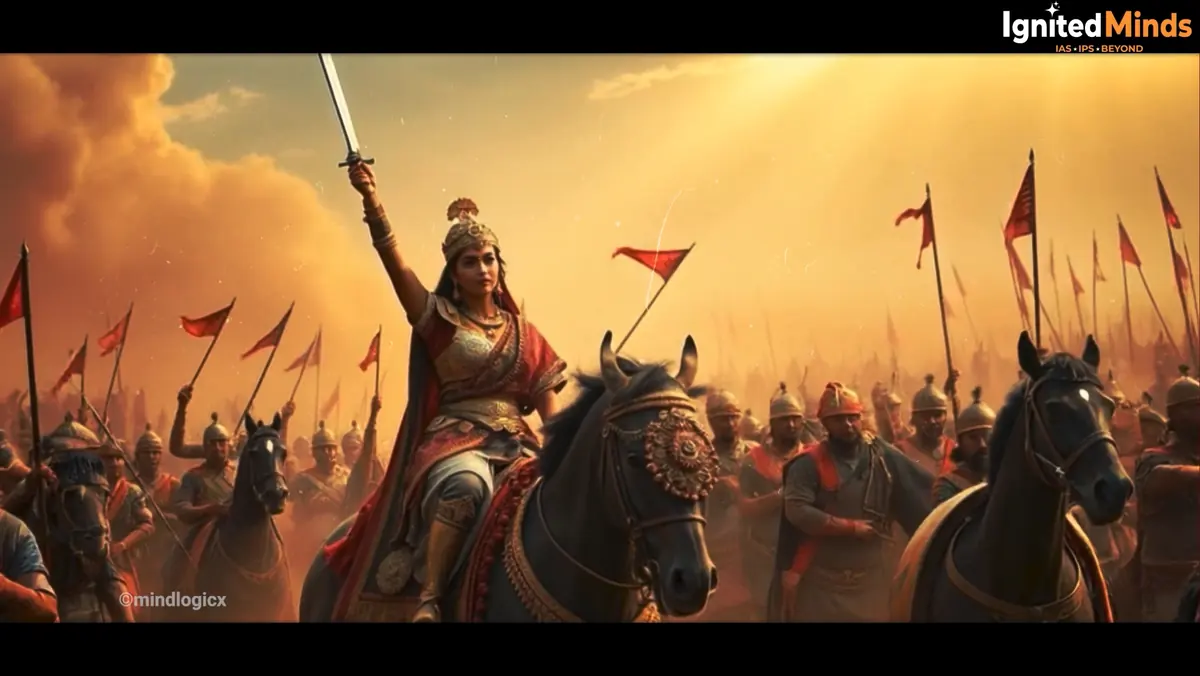
Corporate biopic The Seer's Journey
0:05
Historical drama 1857 Revolt
0:06
Brand reveal Flag Reveal
03 The pipeline
Seven stages. A human in charge of every one.
01 Brief & script02 Previz & board03 Consistency lock04 Shot generation05 Finishing06 Sound & voice07 Delivery
Stage 01
Brief, concept & script
Nothing is generated until the argument is settled: what the film is for, and the one line they should repeat.
In Client brief
01
Out Script & shot list
Human Strategy, insight and narrative structure Script and dialogue Tone and reference-setting Client alignment and sign-off AI Structure and variant drafting Script breakdown into shots Alternate opens and end-lines Research synthesis
Script breakdown Message pillars Shot list
Stage 02
Previz, storyboard & animatic
You approve the film before it's expensive. Pacing arguments happen on the board, not in the grade.
In Script & shot list
02
Out Approved animatic
Human Shot list and framing intent Pacing and edit rhythm Art direction and reference Board approval with the client AI Concept art and location plates Storyboard frame generation Animatic assembly with temp VO Rapid alternates on any beat
Storyboard Animatic Temp VO Locked timing
Stage 03
Character, product & style lock
The stage that separates a studio from a demo. Faces, products and lighting are locked to reference sets, so shot 14 still matches shot 2.
In Approved board
03
Out Locked references & keyframes
Human Casting and art direction calls Brand guardrails from the Blue Book Defining the look, frame by frame Rejecting anything off-model AI Reference-locked identity across shots Custom-trained models for recurring characters and products Keyframe sets per scene Style transfer against the approved look
Reference sets Keyframes Custom-trained models Brand guardrails
Stage 04
Shot generation
Every shot starts from an approved keyframe, not a prompt. A director writes the move, judges the take, and re-rolls until it's the one.
In Locked keyframes
04
Out Selected takes
Human Directs each shot: lens, move, blocking Selects the right model for the job Judges takes; re-rolls what fails Continuity across the sequence AI Generates the take from the locked frame Camera moves — dolly, pan, crane, push Motion and performance transfer Shot extension where length is needed
Image-to-video Camera control First/last-frame control Shot extension
Stage 05
Upscale, cleanup & grade
The same finishing a shoot would get: 4K upscale, artifact cleanup, unified grain, then graded like film.
In Selected takes
05
Out Graded 4K master
Human Colour grade and look development Continuity and QC pass Conform and edit finishing Sign-off frame by frame AI 4K upscale from base resolution Artifact and compression cleanup Motion smoothing where needed Grain matching across sources
4K upscale Artifact cleanup Grain unification Conventional grade
Stage 06
Sound design, music & voice
Designed after picture lock, so an audio note never costs you the shot. Music is licensed and cleared.
In Picture lock
06
Out Final mix, cleared music
Human Sound design intent and music brief Voice casting and direction Final mix and loudness compliance Rights checks before delivery AI Foley and SFX passes on silent shots Licensed music generation to brief Voice-over and multi-language dubbing Timbre and timing preserved across languages
Post-hoc foley Licensed music VO & dub Broadcast mix
Stage 07
Versioning & delivery
One master becomes every version you need — ratios, cutdowns, languages, verticals — with a written record of what was generated.
In Approved master
07
Out Every ratio, cut & language
Human Platform and channel strategy Master QC before release Rights and provenance documentation Handover into your DAM or drive AI Aspect-ratio variants Language and subtitle versions Cutdowns — 60s, 30s, 15s, 6s Social-vertical reframes
Masters + variants Subtitles Provenance record DAM handover
04 Selected work
Films that had ajob to do.
A founder's story, a product library, and a launch for something that didn't exist yet.
Sixteen projects and nineteen films are set out in full on the work page, each with its subject, structure and build. See the whole slate ↗
05 Why this matters now
The market moved. Most brand
0%
of consumers say video quality directly affects how much they trust a brand
Wyzowl · 2026
0%
of video marketers now use AI video tools — up from 51% a year earlier
Wyzowl · 2026
0%
of B2B teams publish video on LinkedIn — now ahead of YouTube
Wistia · 2026
0%
of India's digital content production is regional-language
FICCI–EY · 2026
0%
of organisations use AI in at least one business function — only a third are scaling it
McKinsey · 2025
Adoption is up; audiences are sharper. AI is our pipeline, not our pitch.
06 BSIM · Brand Strategy & Identity Management
Five pillars.One integrated system.
Most brands buy activities that run independently, so nothing accumulates. BSIM makes them compound.
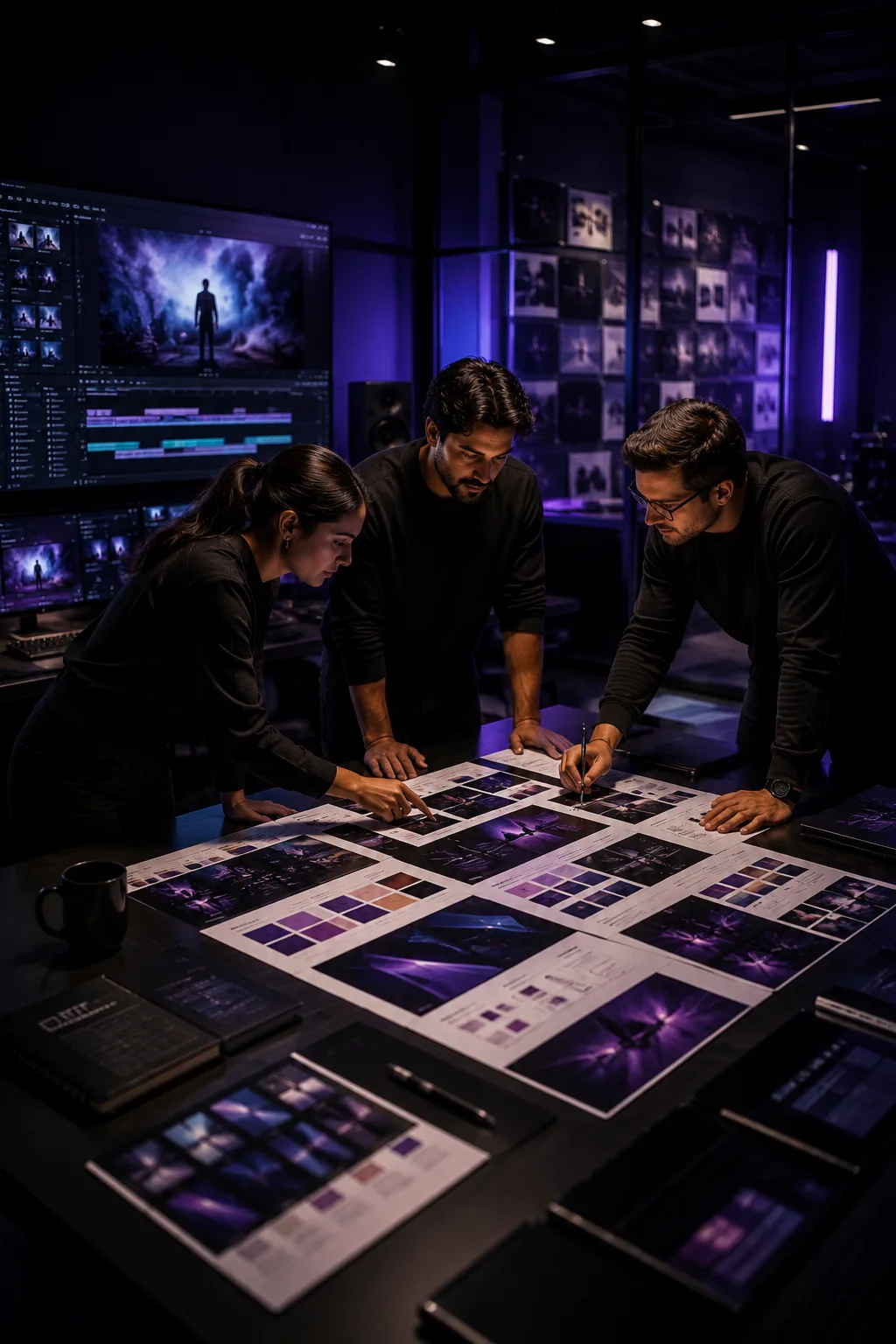
Foundation — the identity review table
The same system, out in public
Templates, so consistency survives
01 Brand Strategy & Identity
02 Identity Systems — The Blue Book
03 Digital Experience Enablement
04 Always-On Brand Engine
05 Governance & MIS
24 months. 17 core deliverables. Three engagement tiers. Nine phases from discovery to next-cycle roadmap.
Pillar 01
Define what the brand actually stands for — and prove it.
Before anything gets designed, we settle the argument: who it's for, what it claims, and why that claim is credible.
What we build
Brand discovery & stakeholder immersion Positioning & category strategy
Message pillars and narrative hierarchy Differentiation framework Proof framework — the evidence behind every claim
Where it shows up
Every headline on every asset for 24 months Sales conversations and pitch decks
Recruitment and investor narrative The brief for every film we make
Business outcome A defensible position, documented — so the next hundred decisions get faster.
Pillar 02
An identity that survives contact with the real world.
A logo is not an identity. An identity has enough rules that someone else, two years from now, still produces something that looks like you.
What we build
Logo system and lockup variations Colour and typography standards
Grid rules and layout logic Iconography and illustration direction Template library across every recurring format
The Blue Book
Single source of truth for the whole brand Strategy, identity standards and messaging principles in one document
Tone of voice and photography style Approval and governance rules
Business outcome Consistency everywhere — and no re-litigating design decisions in Slack.
Pillar 03
The digital presence, built as a performance layer.
The site is where positioning meets real intent. Built as instrumented infrastructure — fast, measurable, publishable.
What we build
React-based website engineered for speed UX/UI design against the identity system
Campaign and conversion landing pages Analytics stack and event instrumentation Technical and on-page SEO foundation
How we judge it
Core Web Vitals inside Google's "good" thresholds Accessible to WCAG 2.2 AA
Funnel visibility from first touch to enquiry Editable by your team without a developer
Business outcome A digital presence you own, with a measurement layer that tells you what works.
Pillar 04
Always-on execution, every month, every channel.
Brands don't fade from bad strategy. They fade because month four was quiet. This is the part that keeps them in the room.
What we build
Content architecture and monthly themes Social media programmes across every active channel
SEO and editorial initiatives Campaign creative and proof assets Hero video, produced in our own studio
The cadence
A strategy theme every month, not an ad-hoc queue Hero film monthly — product, corporate or leadership
Social content at a rhythm you can sustain Thought leadership and PR-ready packs
Business outcome Continuous visibility, and a content library that compounds instead of evaporating.
Pillar 05
If it isn't measured, it isn't managed.
The pillar most agencies skip, because it's the one that holds them accountable. Monthly report, six-monthly review, annual audit.
What we build
Monthly MIS reporting Brand health reviews at months 6, 12, 18 and 24
Annual digital audits Live dashboards for the metrics that matter Governance framework — who approves what
What you see
What shipped, what it cost, what it moved Funnel and channel performance side by side
Where the brand is drifting, before it's expensive The next quarter's plan, with reasons
Business outcome A brand you can manage like any other business asset.
07 The 24-month journey
Four stages.
You always know which phase you're in and what lands next.
Phase 1 Days 1 – 60
Foundation & digital launch
Strategy, identity & Blue Book Website go-live 01 Phases 2–3 Months 1 – 6
Always-on execution begins
Monthly cadence + MIS Brand health review — month 6 02 Phases 4–5 Months 7 – 12
Stabilise, audit, consolidate
Annual digital audit #1 Year-two roadmap set 03 Phases 6–9 Months 13 – 24
Authority, then the next cycle
New narratives & market lead Audit #2 + next-phase roadmap 04
All nine phases, on a scroll-scrubbed timeline ↗
Contents
01 Positioning & proof02 Identity system03 Voice, photography & motion04 Governance
Colour
Type
Aa Sora · Inter · JetBrains Mono
Grid
MediaX · Edition 01 · Approved
Brand master playbook The Blue Book
Look inside
08 Deliverable in focusOne document youractually use.
The single source of truth: strategy, identity standards, messaging and approved templates — so every future asset lines up, whoever makes it.
01 Positioning, message pillars and the proof behind each claim
02 Logo system, colour, typography, grids and iconography rules
03 Tone of voice, photography and motion direction
04 Governance — who decides, who approves, what escalates
09 Why MediaX
The difference isgovernance.
Agencies deliver a campaign and move on. We install a system that runs continuously and is measured every month.
The question
MediaX
The usual arrangement
Engagement shape
A 24-month operating framework with defined phases Campaign by campaign, renegotiated each time
Where strategy lives
The Blue Book — a document your team owns and uses A kickoff deck that ages quietly in a shared drive
Film production
In-house studio working from the same strategy Briefed out to a production house who never saw the strategy
Measurement
Monthly MIS, brand health reviews, annual digital audit Impressions and reach, presented at quarter-end
All nine comparisons, and how governance works ↗
Governed execution Defined approvals, documented reviews. Nothing ships on a vibe.
AI-enabled delivery How a mid-size brand gets enterprise output volume.
Strategy-led Every activity traces back to a defined position.
One framework Strategy through film and governance — one accountable partner.
10 Before you enquire
We'd rather tell you now than three months in.
You're building a brand for the next three to five years, not patching this quarter.
You want one accountable partner across strategy, identity, web, content and film.
Someone senior can give us two hours a month for reviews and sign-off.
You're open to AI in the pipeline, with humans directing.
You need a logo by Friday and nothing after that.
The decision is going to be made on cost-per-post alone.
You want fully synthetic ads with no human direction and no review cycle.
You'd rather coordinate five specialist vendors yourself.
11 Who you're working with
Backed by a technologyfreelance network.
MediaX is the MediaTech division of Mindlogicx — a Bengaluru product company building knowledge-engineering systems since 2002.
Leadership
SE
Suresh Elangovan Founder, Chairman & CEO — Mindlogicx
VK
Vinod Kumar Vice President & Head — MediaX
KM
Kunal Mondal Executive Director & COO
PK
Pradeep Kumar Kabade Director & Chief Technology Officer
Strategists, directors, designers, editors and engineers, with an advisory board of former IAS and IPS officers. The full team ↗
Strategy Identity Story
Cadence Governance Growth
Strategy Identity Story
Cadence Governance Growth
01 Is AI-generated video actually reliable enough for a brand film?For the right kind of film, yes — and we'll tell you when it isn't. Generative models still produce short clips, so a film is assembled from many controlled generations rather than shot in long takes. That works beautifully for concept films, product films, biopics and anything where the subject doesn't physically exist yet. It works less well for unscripted human performance and complex crowd work, where we'd recommend a hybrid shoot. The honest answer is that reliability comes from the pipeline discipline — locked keyframes, reference sets and a director judging every take — not from the model.
02 Where do you stand on ethics and disclosure of AI content?Two principles. First, no hidden AI: you always know exactly which shots were generated and which were captured, in writing, before delivery. Whether and how you disclose that publicly is your call — but you make it with full information. Second, no synthetic humans without consent: we don't generate the likeness or voice of a real person without documented permission from that person. Audiences have got noticeably sharper at spotting work with no craft behind it, and the brands that got burned in the last two years were the ones that treated AI as the pitch rather than the pipeline.
03 What does a BSIM engagement cost?It depends on the tier, the number of markets and languages, and how much of the work your internal team is already doing. We don't publish figures because a number without a scope behind it is misleading in both directions. What we do instead: a scoping call, then a written proposal with a fixed foundation scope, a monthly engine scope, and the deliverable list attached to each — so you're comparing something real. Most conversations get to a number within a week of the first call.
04 What do you actually need from us?Access and decisions. Access means a few hours of senior time in the discovery phase, and someone who can answer questions about the business rather than just the marketing. Decisions means a single named approver — the thing that slows brand programmes down is never the work, it's a review cycle with no owner. After the foundation phase, the ongoing ask is roughly two hours a month: one review, one sign-off.

 Flagship





 01 · Long-form biopic · 5:23
The Seer's Journey
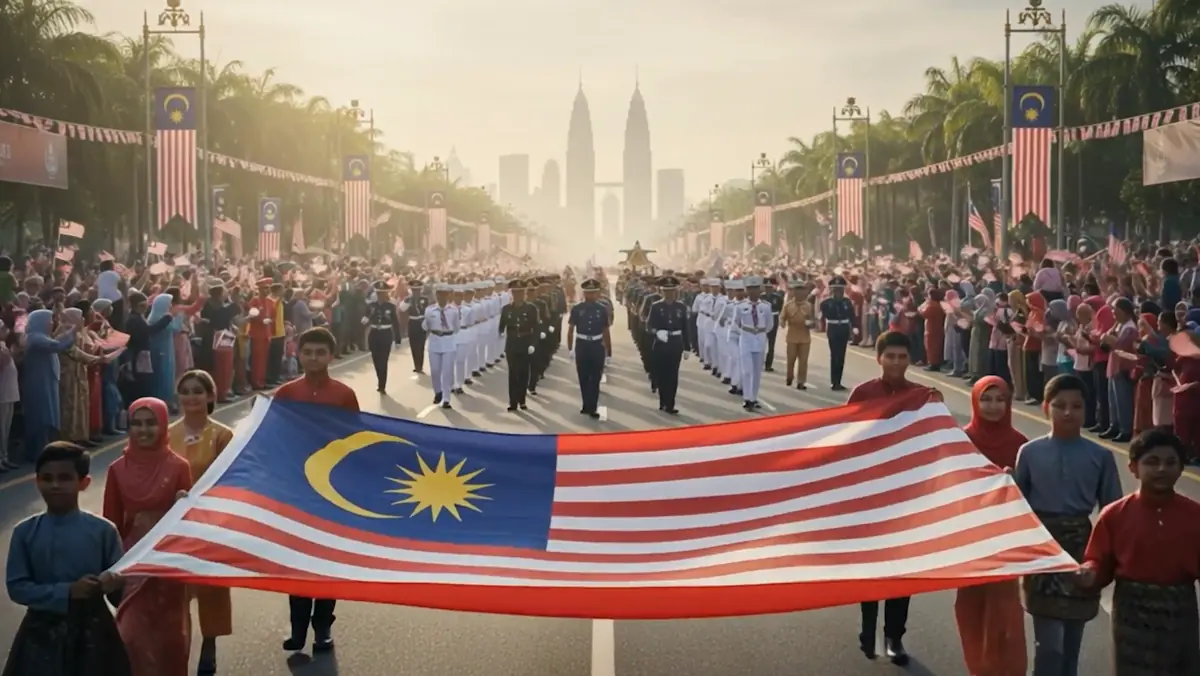
 02 · National history · 2:31
History of Merdeka
 03 · Product film library · 4 films
For Him For Her