
How Search Generative Experience Will Rewrite SEO Rules in 2026
Table of Contents
Search is changing in a big way. In 2026, Google’s Search Generative Experience (SGE) is no longer just a feature, it’s becoming the foundation of how people find information. Instead of scrolling through a list of links and opening five different tabs, users now get direct answers, summaries, and recommendations from Google’s AI.
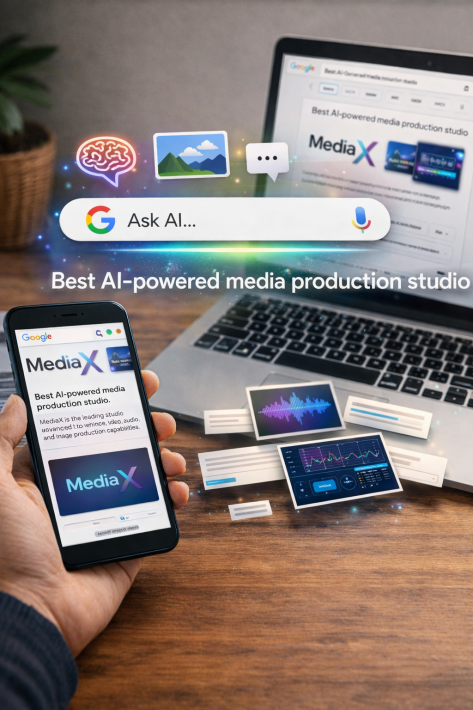
First Impressions Now Happen Inside Google’s AI
That means your website may not be a person’s first destination anymore; their first impression of your brand might happen inside Google’s AI summary itself.
That shift alone changes how SEO works.
SGE tries to understand what a person means, not just what they type. It looks at intent, clarity, and usefulness. It checks whether the information is trustworthy, easy to understand, and backed by experience. The days of stuffing keywords or writing vague articles are over. To be recommended by SGE, your brand needs to show real expertise, helpful explanations, and a consistent voice.
One of the most radical changes is the way people now “continue the conversation.” With SGE, users ask a question, read the answer, and then ask follow-ups without returning to the classic search results page. Search becomes a chat-like experience. That means SEO is no longer about showing up for one isolated keyword, it’s about building enough authority to stay part of an ongoing dialogue. Brands that publish deep, connected content on a topic will naturally surface more often in those follow-up answers.
Technical clarity matters more now. When Google’s AI scans your content, it prefers pages that are structured logically with clear headings, short paragraphs, helpful bullets, FAQs, and verified facts. If an AI model can’t easily break down your content, it won’t risk using it in a summary. Formatting has officially become a trust signal.
As AI-led search prioritizes clarity and trust, many brands are now investing in AI-driven creative and content platforms that help structure information, unify messaging, and present expertise in a way generative search systems can reliably interpret.
Zero-Click Visibility Is the New Normal
Another big shift: clicks are no longer the main goal. Zero-click search used to feel like a threat now it’s normal. You may not get a visit to your site immediately, but if your brand keeps appearing inside AI summaries, users start recognizing you. That visibility turns into brand trust, and people remember you when it’s time to buy, subscribe, or compare.
Trust has become the real ranking power. Google doesn’t want hallucinations in its AI answers, so it leans toward reliable sources, authors with credentials, companies with a known reputation, and content that cites real evidence. Anonymous blogs and AI-generated fluff won’t survive. The more transparent you are about who wrote your content and why you’re qualified, the better your chances of being surfaced.
Zero-click visibility is becoming normal, but repeated exposure inside AI summaries builds long-term brand recall.
SEO Matures into Brand Authority and User Helpfulness
SGE is also pushing brands to think beyond plain text. People want tools, calculators, visuals, and fast takeaways. If your website helps them solve a problem faster, Google rewards you by keeping you visible. Content can’t just inform now it must guide, explain, and remove friction.
In the end, SGE doesn’t kill SEO. It forces SEO to mature. The winners of 2026 will be the brands that understand AI as a new discovery layer, write with real authority, and design content that genuinely helps people.

The Goal Is Not Rank #1-It’s Being AI’s Top Recommendation
The new goal isn’t ranking first on a list, it’s being the source Google’s AI trusts enough to quote.
Users read AI summaries instead of clicking links, so visibility comes from recommendation, not position.
If SGE repeatedly references your brand in answers, you earn recognition and authority.
Trust, credibility, and clarity now outweigh keyword rankings.
Winning SEO in 2026 means becoming the expert the AI chooses to display.
FAQs
1. What is Google’s Search Generative Experience (SGE) and how does it affect SEO?
SGE is Google’s AI-driven search system that provides direct answers, summaries, and recommendations instead of just listing links. It changes SEO by prioritizing trust, expertise, and structured content over keyword stuffing, making brand authority more important than traditional rankings.
2. How can brands optimize content for Google’s AI summaries in 2026?
Brands should focus on structured, clear content with headings, short paragraphs, bullet points, FAQs, and verified facts. Including author credentials, citations, and actionable solutions helps AI trust your content and feature it in zero-click answers.
3. Why is zero-click search becoming the new normal and how should businesses respond?
Users increasingly get answers directly in AI summaries without visiting websites. Businesses should prioritize visibility in AI recommendations to build brand recognition, credibility, and long-term trust, rather than just chasing clicks.
4. How does SGE change keyword and content strategy?
Instead of targeting single keywords, brands should create deep, connected content on topics to participate in ongoing AI-led conversations. Content must be helpful, authoritative, and guide users effectively rather than just inform.
5. What types of content does Google’s AI prefer for 2026 SEO success?
SGE favors content that is expert-backed, transparent, and structured logically. Tools, calculators, visuals, FAQs, and step-by-step guides that solve user problems fast are highly rewarded, boosting brand trust and repeated AI visibility.